


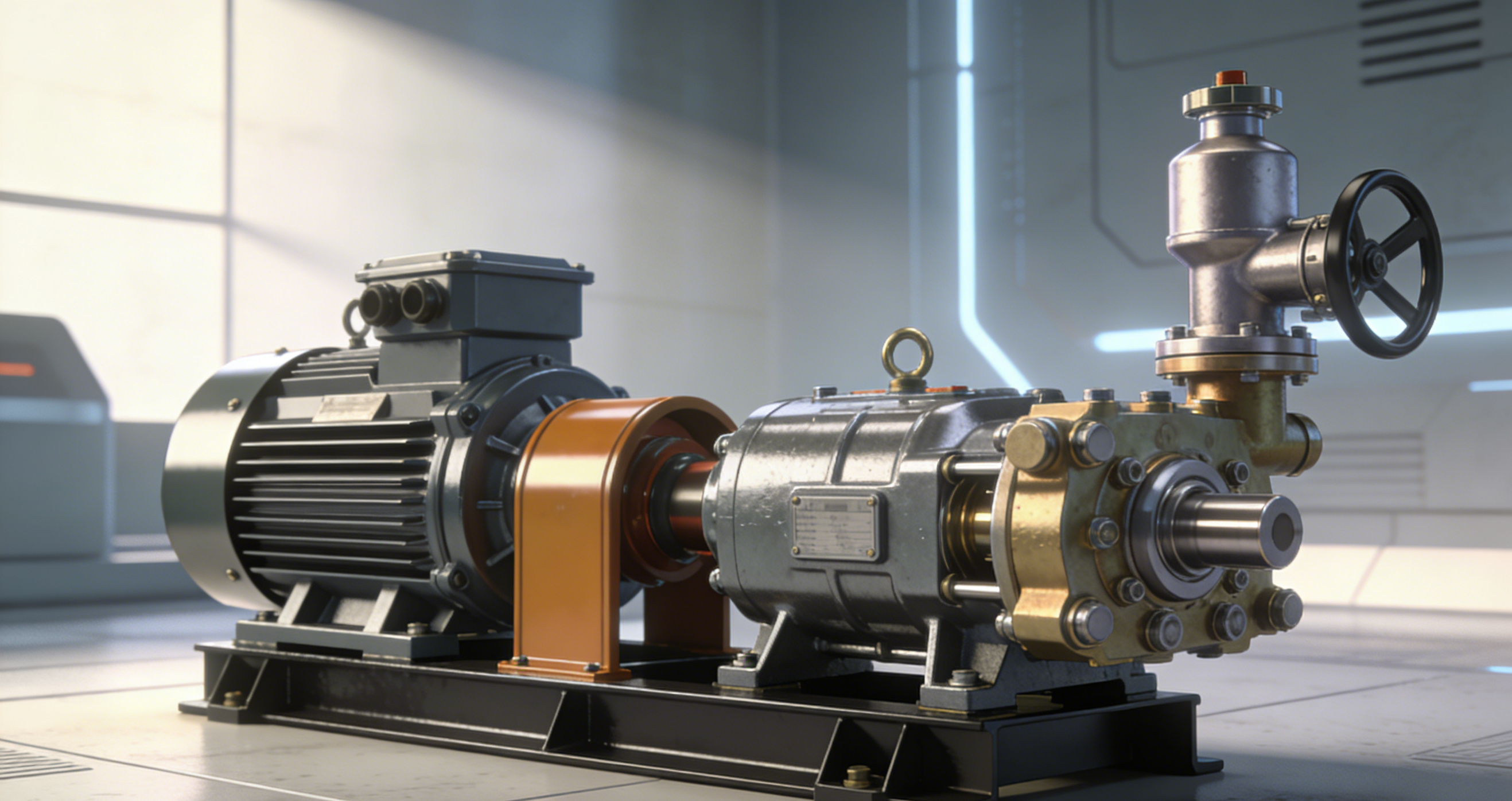
When handling aggressive fluids, the "standard" choice isn't always the "right" choice. While standard centrifugal pumps made of stainless steel or cast iron are the workhorses of the industry, Polymer Pumps (such as PFA/PVDF lined pumps) offer specialized advantages in high-corrosion environments.
1. Corrosion Resistance: The Ultimate Decider
EN: Standard metal centrifugal pumps rely on a passive oxide layer to resist corrosion. However, in the presence of strong acids (like HCL or H2SO4), this layer can fail. Polymer pumps are inherently inert to most chemicals, providing a non-metallic barrier that eliminates the risk of metallic contamination.
2. Cost vs. Longevity
Standard centrifugal pumps often have a lower initial purchase price (CAPEX). However, if the application involves abrasive or corrosive slurries, the frequent replacement of expensive metal impellers and casings can skyrocket your Total Cost of Ownership (TCO).
Polymer pumps might require a higher upfront investment but pay for themselves through extended mean time between failures (MTBF) and reduced maintenance downtime.
3. Efficiency and Temperature Limits
Standard centrifugal pumps excel in high-temperature and high-pressure applications where polymers might soften or deform. If your process exceeds 120℃(250°F), metal is usually the safer bet.
Conclusion
Selecting the right pump is about balancing chemical compatibility, temperature requirements, and long-term costs. At [Victory Pumps], we help you analyze your fluid properties to ensure you get the most reliable equipment for your specific needs.
Interactive Quiz: Which Pump is the Right Match for Your Fluid?
Intro: Pump selection is a complex engineering task where one size never fits all.
Answer these 4 quick questions about your operating conditions, and our engineering team will analyze your data to provide a customized selection report.
Q1: How corrosive is your process fluid?
A. Highly aggressive. It’s a "metal killer" (e.g., concentrated HCL or H2SO4, or Sodium Hypochlorite).
B. Moderately corrosive. Standard stainless steel can withstand it for a reasonable period.
C. Non-corrosive or pH neutral.
Q2: What is your maximum operating temperature?
A. Below 100℃(212°F).
B. Between 100℃ and 150℃ (212°F to 302°F).
C. Above 150℃ (302°F).
Q3: Does the fluid contain abrasive solids or hard particles?
A. Yes, it involves heavy solids or high-concentration slurries.
B. Only minor or soft suspended solids.
C. It is a pure, clean liquid.
Q4: What is your primary project priority?
A. Extreme chemical purity and zero metallic contamination.
B. Extreme system pressure and structural rigidity.
C. The lowest Total Cost of Ownership (TCO) over 5+ years.
Submit for Professional AnalysisPlease enter your details below. Our technical experts will review your answers and send a detailed Pump Selection Recommendation to your inbox within 24 hours.
Your Name: [ ]
Company Name: [ ]
Work Email: [ ] (Recommended for faster response)
Specific Fluid Name (Optional): [ ]
Target Flow Rate/Head (Optional): [ ]
Send to email address:wfsl@wfvictorypump.com