


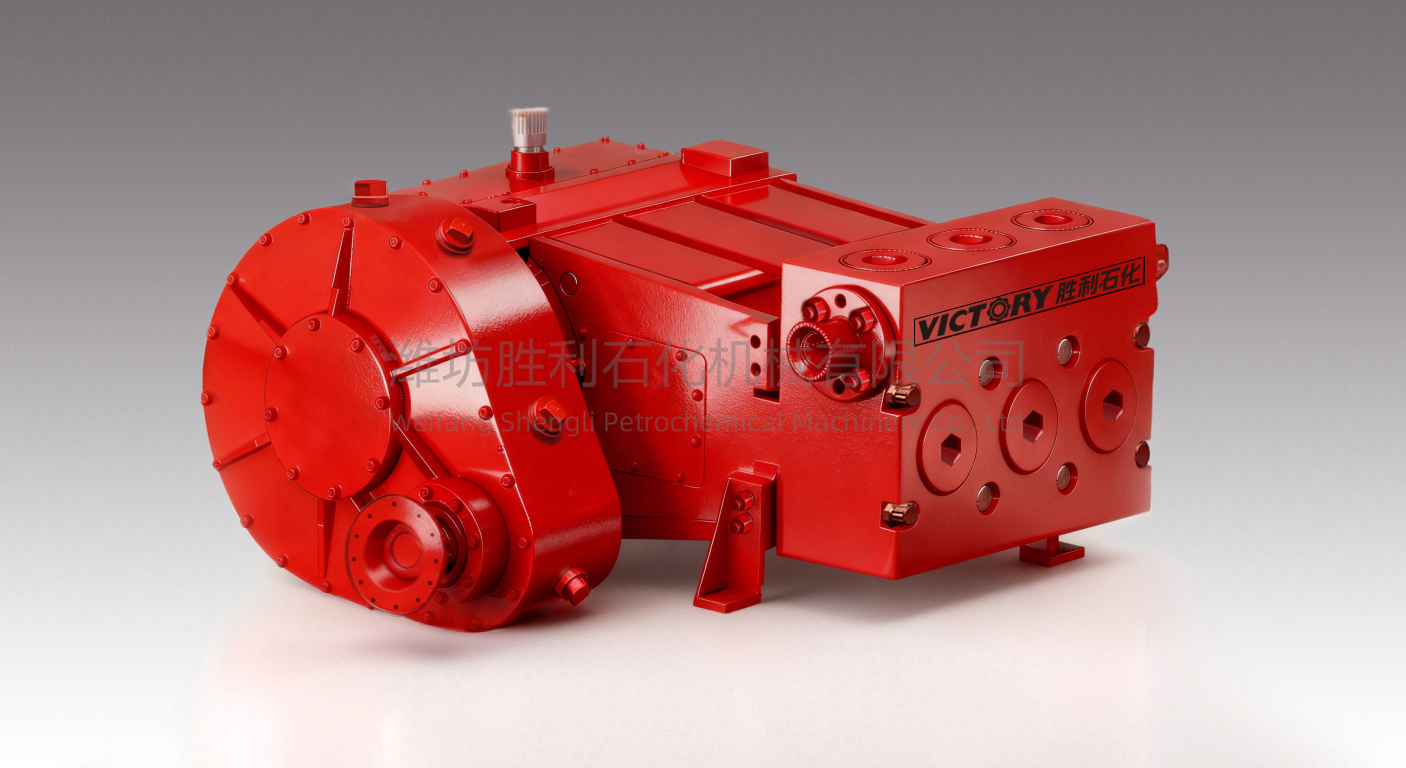
What is a Fracturing Pump Power End?
The power end is the mechanical section of a fracturing pump responsible for converting the rotational energy from the engine or motor into the reciprocating linear motion required by the fluid end. It is designed to withstand extreme torque, severe vibrations, and continuous operation under high horsepower—often upwards of 2500 HP in models like the 2500Q.
Without a robust and well-maintained power end, the pump cannot deliver the continuous pressure needed for modern oil and gas completion operations.
Key Components of the Power End
To understand how the power end transmits such massive amounts of energy, it is important to look at its internal architecture. The primary components include:
Crankshaft: The structural backbone of the power end. It receives rotational force from the drive shaft and translates it into reciprocating motion. Heavy-duty crankshafts are forged from high-strength alloy steel to prevent fatigue failure.
Connecting Rods: These connect the crankshaft to the crossheads. They endure intense push-and-pull forces and must be precisely aligned to minimize wear.
Crossheads and Crosshead Guides: The crosshead acts as the bridge between the connecting rod and the plunger (located in the fluid end). It ensures that the motion remains strictly linear, preventing lateral stress on the fluid end seals.
Bearings: High-capacity roller and main bearings support the crankshaft and connecting rods. They reduce friction and heat generation, which is vital for preventing catastrophic mechanical failures.
Lubrication System: A dedicated internal gear pump delivers pressurized oil to the bearings, crossheads, and gears, ensuring all moving parts are protected from friction and overheating.
Why Quality Matters in Power End Manufacturing
Fracturing pumps operate in some of the harshest environments on earth. If a power end fails, it leads to costly downtime on the frac pad. High-quality manufacturing—like the engineering standards adhered to by Weifang Shengli Petrochemical Machinery Co., Ltd.—ensures that the power end frame is cast or fabricated to resist cracking under stress. Superior metallurgy in the gears and bearings directly translates to a longer operational lifespan and lower total cost of ownership.
Best Maintenance Practices for Longevity
To optimize the lifespan of a fracturing pump power end and ensure it performs reliably under high-pressure conditions, operators should follow strict maintenance protocols:
Oil Analysis and Changes: Regularly monitor the lubricating oil for metal shavings, water contamination, or degradation. Change the oil and filters strictly according to operational hours.
Vibration Monitoring: Excessive vibration is an early indicator of bearing wear or crankshaft misalignment. Implementing predictive maintenance through vibration analysis can prevent unexpected breakdowns.
Temperature Checks: Monitor bearing and oil temperatures. A sudden spike in heat usually indicates a lubrication failure or overloading.
Listen to the Gearbox: Unusual knocking or grinding noises can signal gear tooth damage or loose connecting rods.
Conclusion
The power end is the driving muscle of any hydraulic fracturing pump. By understanding its mechanics and investing in high-quality components and rigorous maintenance, oil and gas operators can significantly improve their field efficiency and minimize downtime.
For industry-leading fracturing pumps, mud pumps, and reliable replacement parts, trust Weifang Shengli Petrochemical Machinery Co., Ltd. to provide the robust equipment your operations demand.